


XTCERA Glass Ceramic Milling Blocks
- Low stock - 8 items left
High-esthetic glass ceramic for precise, efficient restorations.
XTCERA Glass Ceramic Milling Blocks are lithium-disilicate-enhanced CAD/CAM blocks developed for veneers, inlays, onlays, partial crowns, and anterior and posterior crowns.
Choose XTCERA when the case calls for natural light transmission, refined surface quality, accurate milling, and a streamlined crystallization workflow—without automatically moving to a higher-strength zirconia indication.
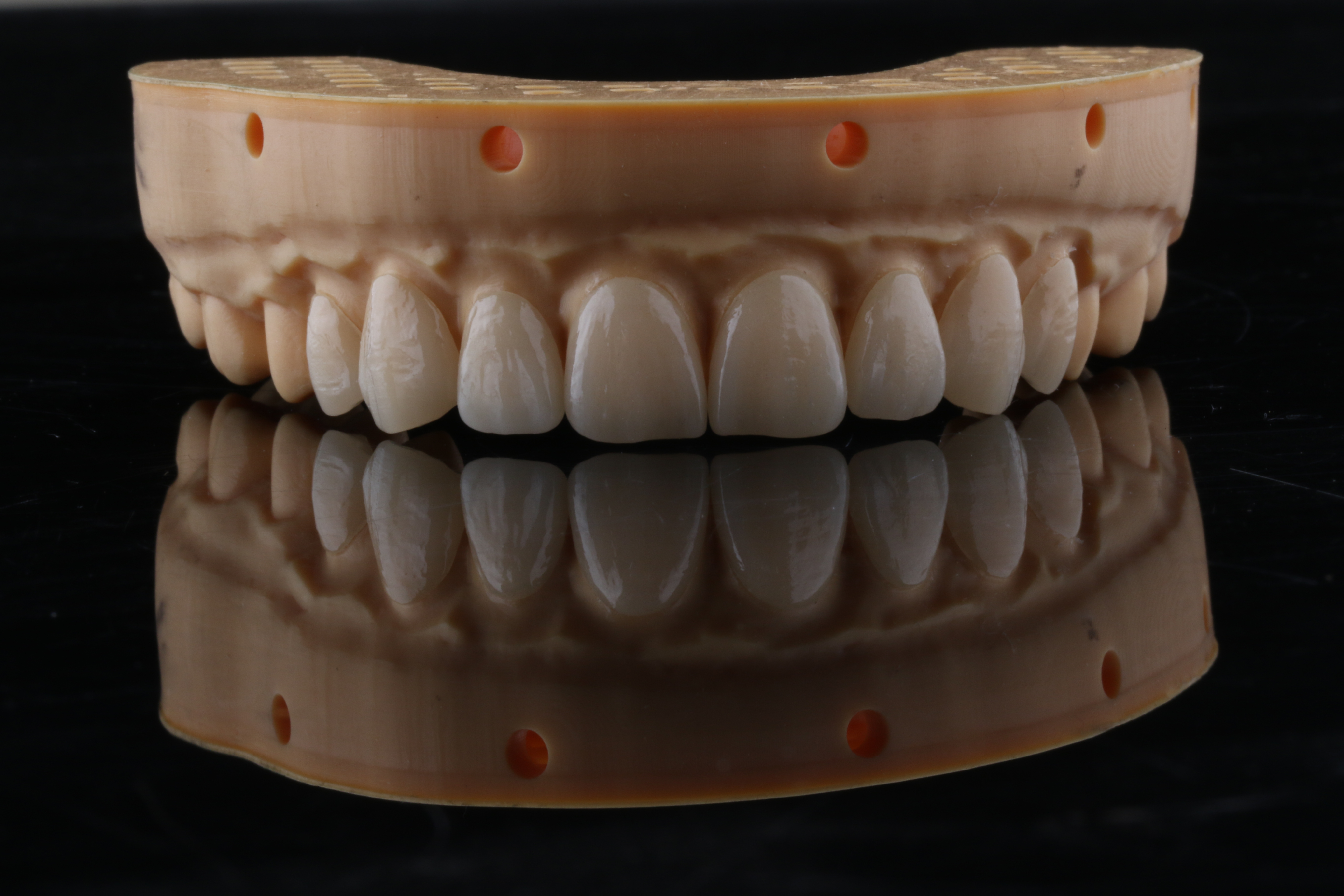
The essential details at a glance.
Built for wet-milling CAD/CAM workflows and supplied in practical five-block packages.
*Manufacturer literature also describes compressive strength up to 450 MPa. Follow the current Instructions for Use, validated design parameters, and clinical judgment for every case.

Esthetics, control, and a predictable digital workflow.
Lifelike light transmission
The nanocrystalline structure supports natural translucency, cleaner shade expression, and a refined final surface.
Designed for CAD/CAM production
A near 1:1 processing ratio and wet-milling workflow help simplify design, milling, adjustment, and crystallization.
Useful for minimally invasive cases
Manufacturer literature supports ultra-thin veneer applications down to 0.2 mm when case selection and preparation requirements are met.
See the material and restoration characteristics.
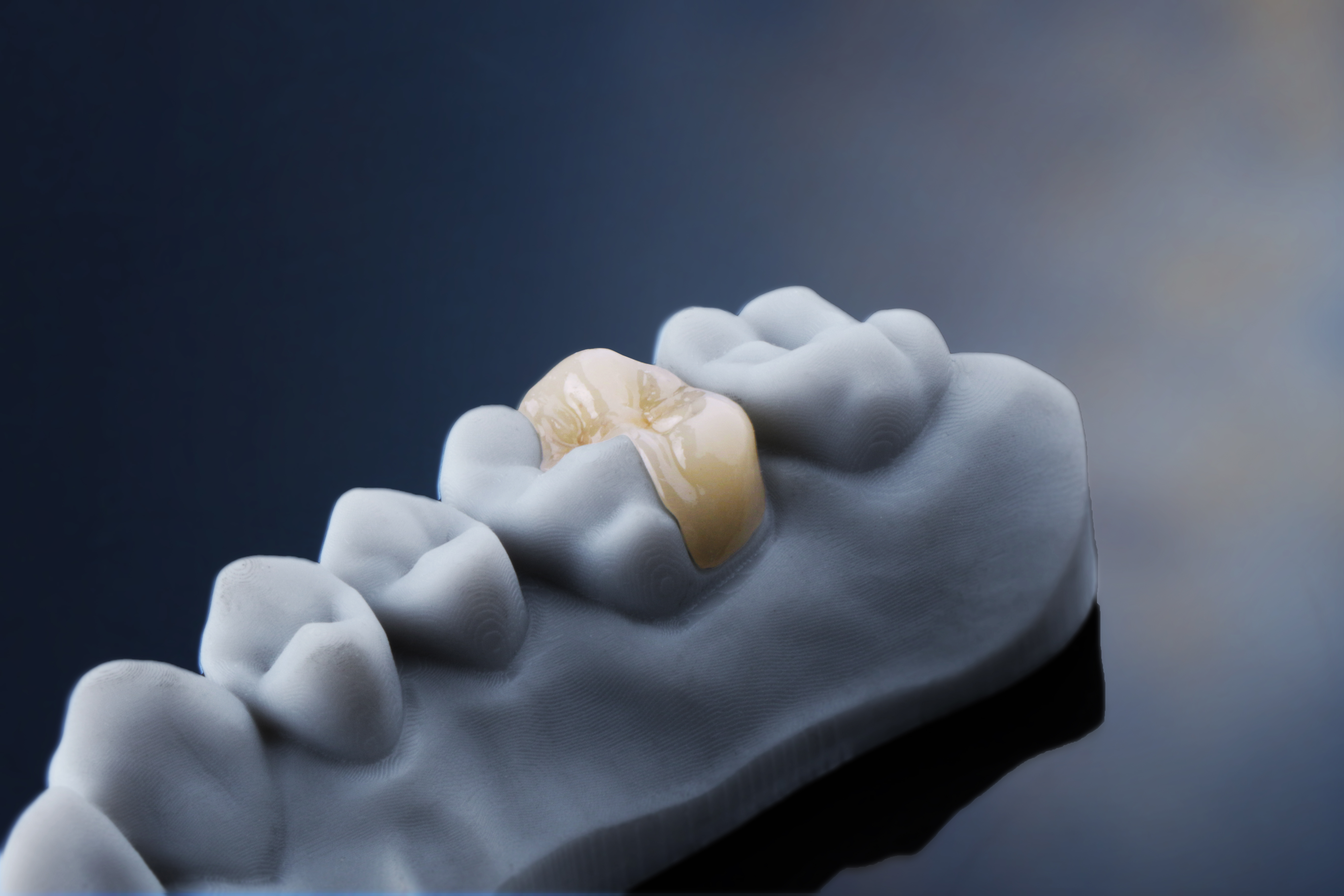
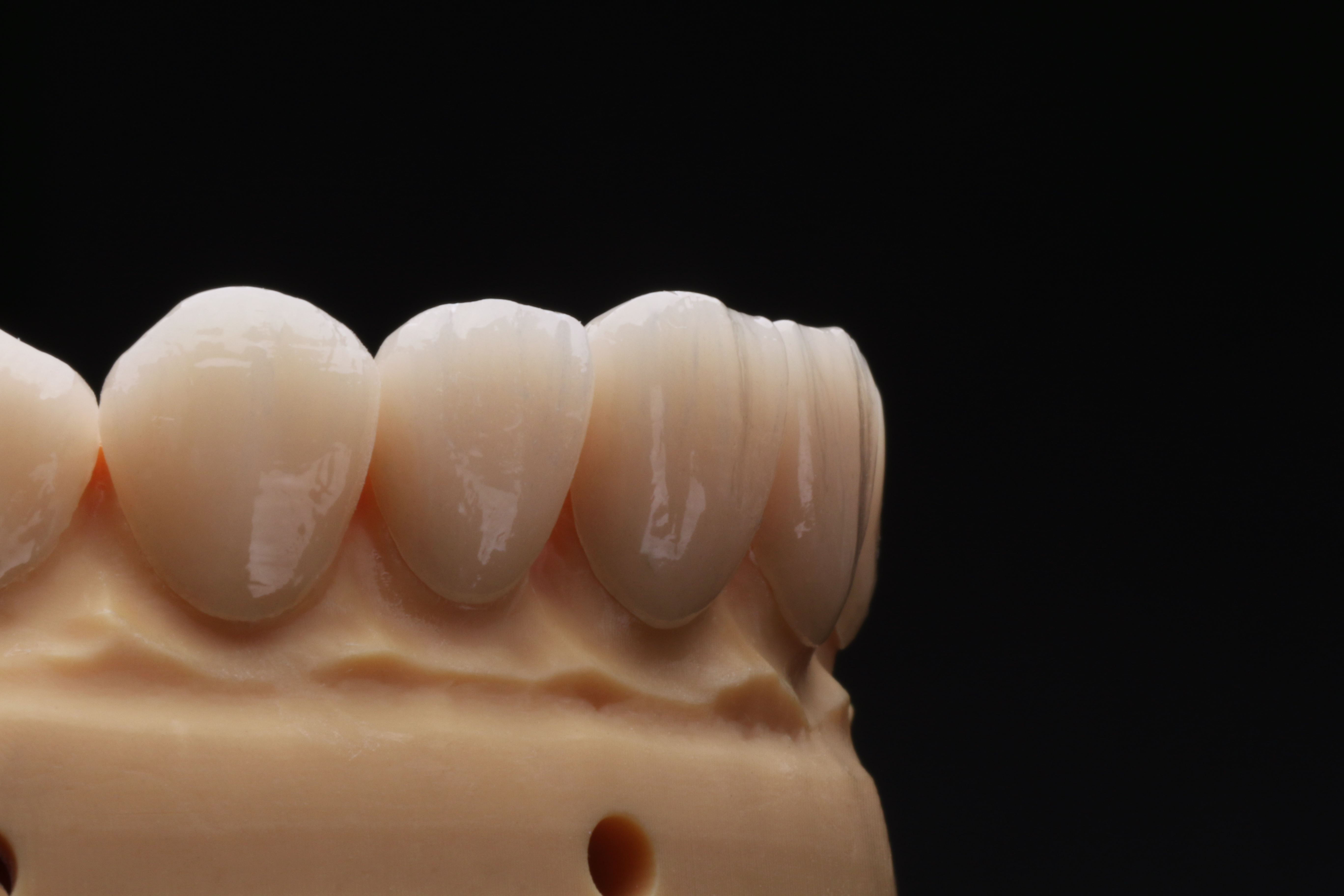

Choose HT, MT, or LT based on the case—not habit.
Final translucency selection should account for preparation color, restoration thickness, cement shade, desired value, and masking requirements.
High Translucency
Best when maximizing light transmission is the priority and the underlying preparation offers a favorable color foundation.
Medium Translucency
A versatile balance of translucency and masking for many anterior and posterior crown situations.
Low Translucency
Provides more masking control for slight discoloration and can be useful for inlays, onlays, and cases where opacity must be managed.
Available shade families


FDA-cleared CAD/CAM indications for all-ceramic restorations.
The manufacturer’s FDA 510(k) indication statement lists the following restoration types:
When should you choose glass ceramic instead of zirconia?
| Decision factor | XTCERA Glass Ceramic | Zirconia |
|---|---|---|
| Primary advantage | Natural light transmission and refined esthetics | Higher strength and broader indication flexibility, depending on grade |
| Typical case fit | Veneers, inlays, onlays, partial crowns, and selected anterior/posterior crowns | Cases where strength, load management, or span length is the dominant concern |
| Processing | Wet mill, adjust before final crystallization, crystallize, then stain/glaze as needed | Usually dry mill in the pre-sintered state, then sinter and finish |
| Best question to ask | “Will this case benefit most from lifelike translucency and conservative preparation?” | “Does this case require a larger strength reserve or broader structural indication?” |
A clear path from scan to final restoration.

Manufacturer reference crystallization program
| Stage | Starting temperature | Heating rate | Hold temperature | Dwell time | Vacuum |
|---|---|---|---|---|---|
| 1 | 450°C; dry 6 min | 60–90°C/min | 810°C | 10 sec | 550–810°C |
| 2 | Continue from 810°C | 30°C/min | 830–850°C | 5–10 min | 810–830/850°C; end temperature 550°C |
Reference values only. Confirm the latest Instructions for Use, validate the program for the specific furnace, and follow the stain-and-glaze manufacturer’s firing requirements. XTCERA’s IFU recommends low-temperature glazing materials and a glazing temperature below 810°C.
Answers for labs and chairside CAD/CAM teams.
What is XTCERA Glass Ceramic?
It is a lithium-disilicate-enhanced dental glass ceramic block used to fabricate all-ceramic restorations with a CAD/CAM system.
What restorations is XTCERA Glass Ceramic indicated for?
The FDA 510(k) indication statement lists veneers, inlays, onlays, partial crowns, anterior crowns, and posterior crowns fabricated through CAD/CAM.
Is XTCERA the same as conventional lithium disilicate?
XTCERA describes the material as a lithium-disilicate-enhanced glass ceramic. Use its own manufacturer data, IFU, and firing program rather than assuming every parameter is interchangeable with another brand.
How strong is XTCERA Glass Ceramic?
The current manufacturer brochure lists biaxial flexural strength of at least 400 MPa and describes compressive strength up to 450 MPa. Strength claims should be interpreted according to the specific test method and current manufacturer documentation.
Does XTCERA Glass Ceramic require crystallization?
Yes. After wet milling, detach and complete required adjustments before final crystallization. Then stain, glaze, or polish according to the case and applicable manufacturer instructions.
How thin can an XTCERA veneer be?
Manufacturer literature states that the material can be milled down to 0.2 mm for ultra-thin veneers. Actual design must still follow case selection, preparation, cementation, and clinician requirements.
How do I choose between HT, MT, and LT?
Use HT when maximum light transmission is desired, MT for a balance of translucency and masking, and LT when more masking control is needed. Always consider preparation shade, restoration thickness, cement, and desired final value.
Is XTCERA Glass Ceramic FDA approved?
The accurate term is FDA 510(k) cleared, not “FDA approved.” The FDA database lists the manufacturer’s Glass Ceramic under 510(k) number K223194 with a substantially equivalent decision.
What comes in each package?
Each package contains five 18 × 15 × 13 mm CAD/CAM milling blocks in the selected shade and translucency.
Finish glass ceramic restorations with greater control.
Review the documentation before processing.
Use current manufacturer instructions and validated equipment parameters for every restoration.
Choose the shade, translucency, and package quantity above.
XTCERA Glass Ceramic gives dental labs and chairside teams a focused, high-esthetic option for CAD/CAM veneers, inlays, onlays, partial crowns, and crowns.


